Crumbly Cousins United: Sablés, Polvorones, Sandies, and Nankhatai
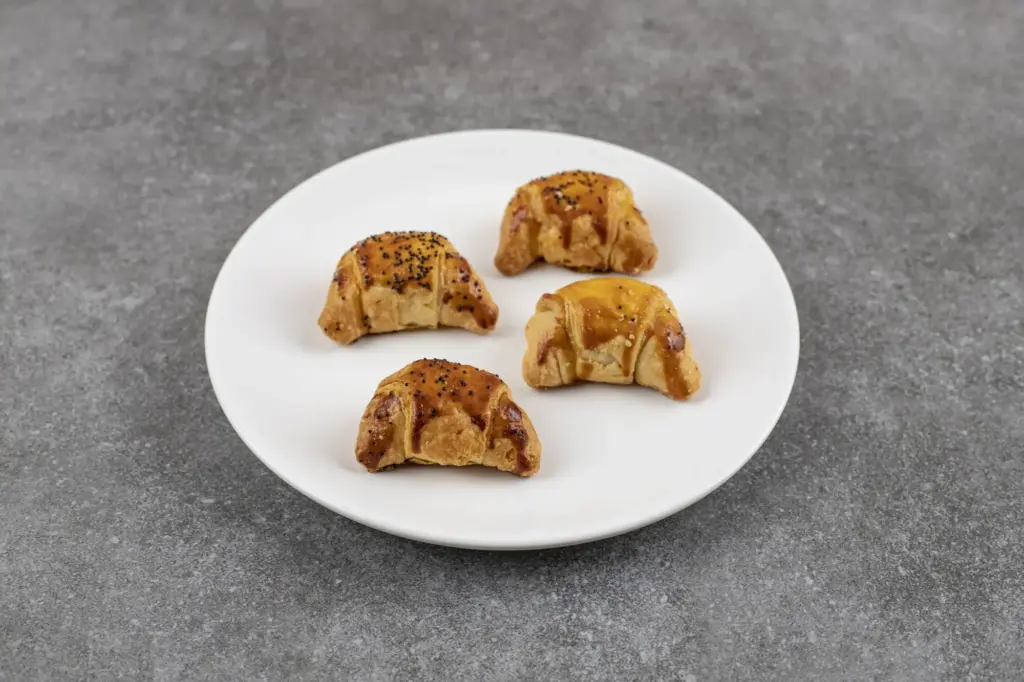
Journeys Through Sugar and Flour: How Four Traditions Found Their Crumble
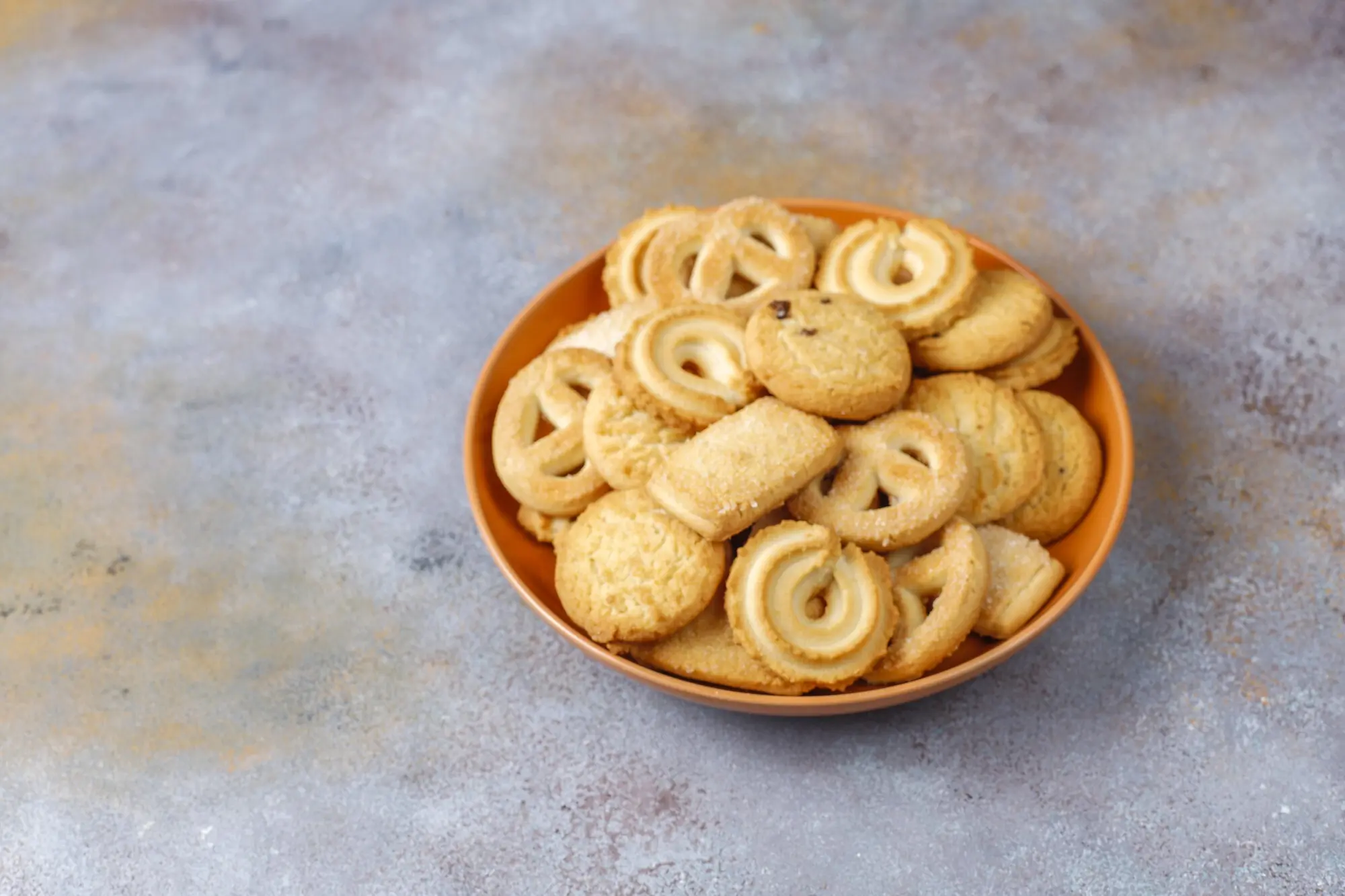
The Alchemy of Ingredients: Fat, Flour, Sugar, and Nuts in Delicate Balance
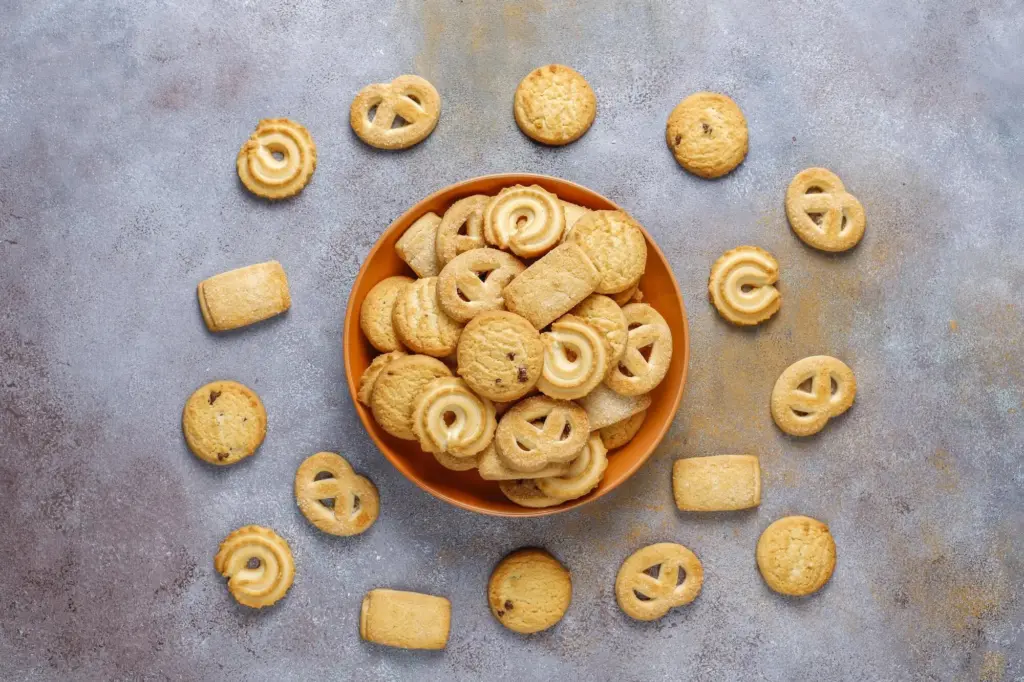
Butter, Ghee, Lard, and Shortening: Choosing the Fat That Guides Texture
Sugar Shapes the Bite: Icing, Castor, Granulated, and Their Sweet Consequences
Flours and Nuts: Protein, Starch, Almonds, Pecans, and Gram Flour Magic
Technique as Texture: Mixing, Resting, Shaping, and Baking Without Cracks or Spread
Creaming Versus Rubbing-In: When to Incorporate Air and When to Resist It
Creaming butter and sugar creates lift and an airy crumb, useful for certain sablés, but excessive aeration causes puffy edges. Rubbing-in, the sablage of French lore, coats flour in fat, minimizing gluten and maximizing tenderness. Nankhatai often starts with beating ghee and sugar to a light paste, then folding dry ingredients sparingly. Polvorones prefer minimal handling. Choose deliberately: if you crave crisp definition, rub-in; if you want gentle lift, cream cautiously and briefly.
Chilling, Humidity, and Handling: Keeping Edges Sharp and Crumbs Tender
Chill shaped logs until firm enough to slice cleanly; warm just slightly to prevent shattering edges. In humid kitchens, dusting and sifting stave off clumps, while silica packets help storage later. Handle dough like wet sand, pressing without kneading. If cracks appear, rest five minutes and reseal gently. Rotate tasks: while one tray chills, pre-portion the next. Share your climate and oven quirks in the comments, and we’ll troubleshoot hands-on adjustments together.
Oven Truths: Temperatures, Pan Choices, and Doneness Cues You Can Trust
A light golden ring at the base often signals perfection; deeper color pushes toward nutty richness but risks dryness. Heavy, light-colored pans reduce scorching, while dark pans demand reduced temperatures. Parchment prevents sticking; silicone may soften edges. Bake one test cookie first to confirm spread and time. Let residual heat finish the center on the sheet. Note aromas: browned butter, toasting nuts, caramel hints. Your nose, not just a timer, becomes the best mentor.
Senses as a Compass: Texture, Aroma, and Flavor That Tell a Story
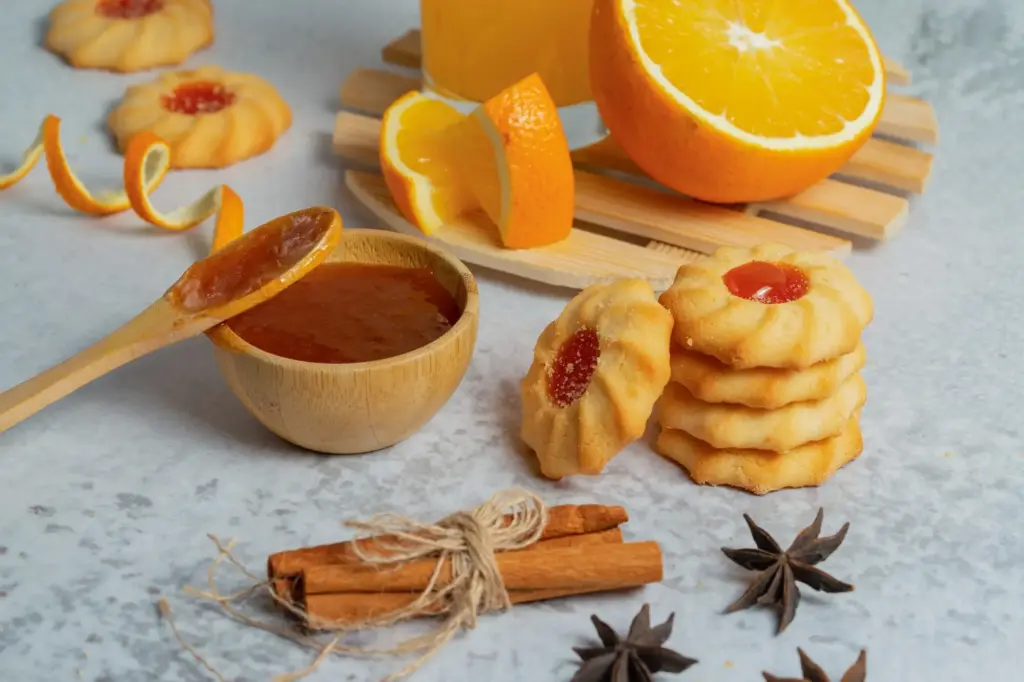
Occasions and Rituals: Cookies That Carry Celebrations Home
Better Batches: Fixes, Formulas, and Fresh Twists to Explore Next Weekend
All Rights Reserved.