Crumbs of Ceremony: Shortbread in Celebrations and Milestones
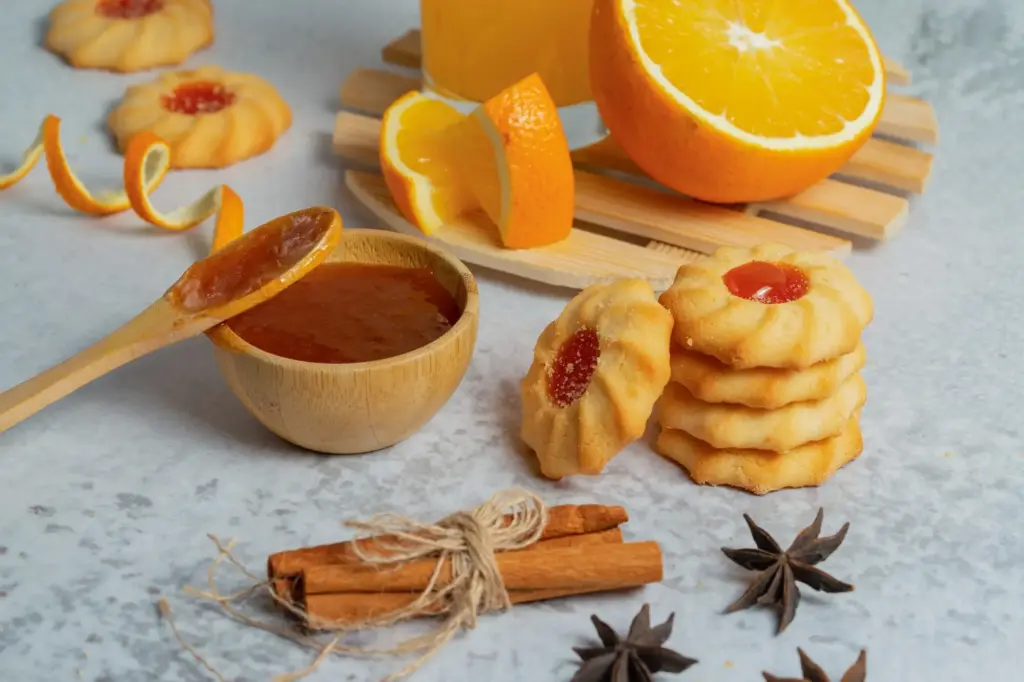
Join us as we explore festivals and life events where shortbread plays a ceremonial role, from midnight knocks at Hogmanay to tender wedding blessings, naming-day teas, diaspora gatherings, and quiet remembrances. Discover how a simple, butter-rich biscuit becomes a vessel for hospitality, symbolism, and community, carrying luck, gratitude, and continuity across doorways, generations, and continents, while inviting stories that sweeten memory and strengthen belonging.
A Short History of Shortness
The word short comes from shortening, the fat that interrupts gluten strands, producing a delicate crumb prized for celebration. Medieval festive biscuits gradually evolved into recognizably Scottish shortbread, with Mary, Queen of Scots popularizing petticoat tails. Through centuries, home bakers perfected slow baking and careful docking, turning pantry staples into a ritual food that signals generosity, intention, and shared joy.
Shapes That Speak Without Words
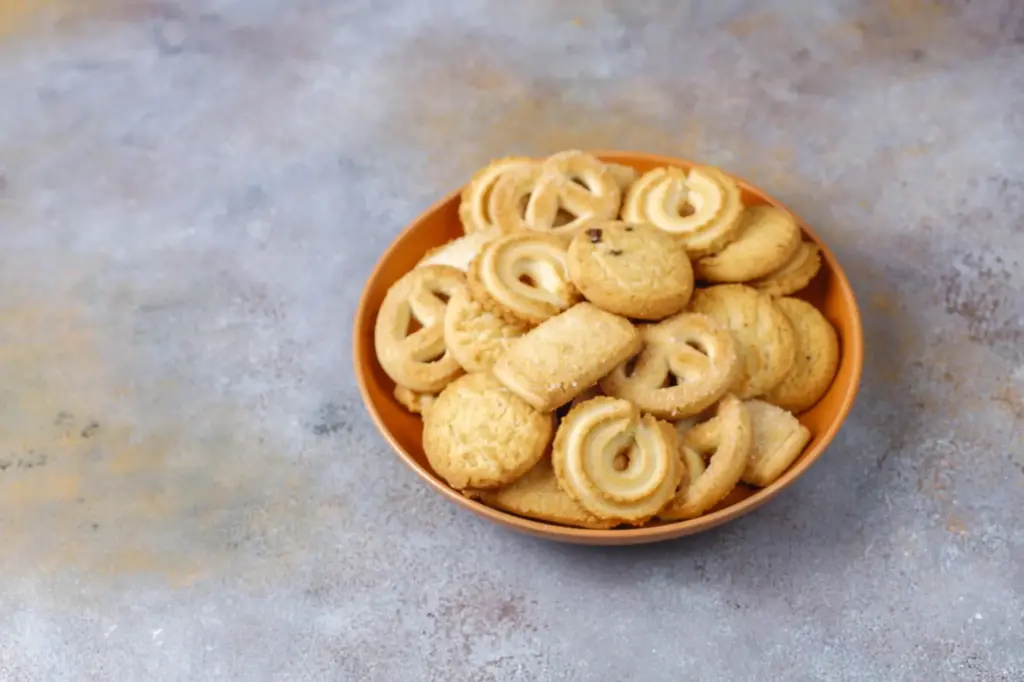
Rounds, fingers, and petticoat tails carry messages before a single bite. A great round sliced into even wedges affirms fairness and fellowship. Fingers stack neatly for visiting trays. Molds stamped with thistles, hearts, or knotwork whisper heritage, love, and continuity. Shapes guide how pieces are shared, how blessings are divided, and how a gathering reads itself into tradition.
Keeping Qualities and Offering Customs
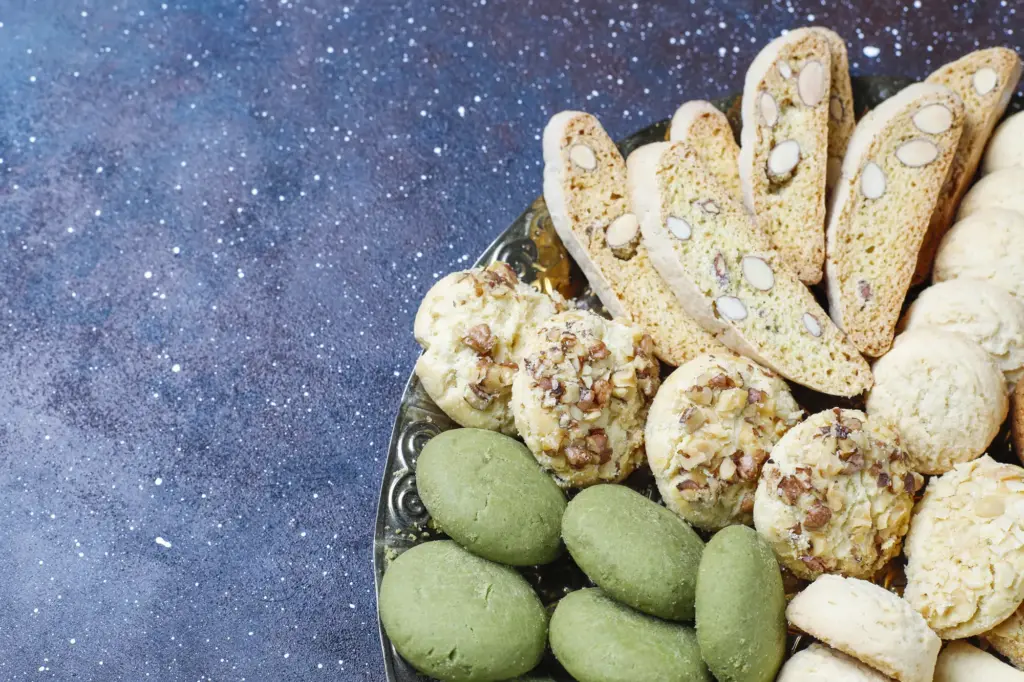
Properly baked and cooled, shortbread keeps beautifully, surviving frosty walks, late-night visits, and long ceremonies. Tucked in tins or wrapped with ribbon, it travels like portable hospitality. People can accept a piece immediately or save it for later, extending the ritual’s warmth. That grace—eatable now, meaningful tomorrow—helps shortbread bridge distance, weather, and schedules without losing tenderness or intention.
Vows and Blessings: Weddings Sealed with a Sweet Crumble
From Bannock to Butter-Rich Keepsake
Historic ceremonies sometimes featured oat bannocks or sweetened bread shared for luck. As tastes shifted, shortbread’s fine crumb, celebratory richness, and decorative potential made it a natural heir. Grandparents recall handmade rounds cooling on linen before church, their edges pinched like lace. Today, couples revive that care, baking together or commissioning local artisans to honor family lines through flour and butter.
Rings, Rounds, and Shared Slices
A single round, scored like the face of a clock, invites patient slicing and equal portions, reminding guests that community sustains new vows. Some families offer the first wedge to an elder as a quiet blessing of wisdom. Others wrap pairs of fingers for journeys home, a small promise that tenderness travels with those who witnessed promises spoken aloud.
Edible Favors with Names and Tartan
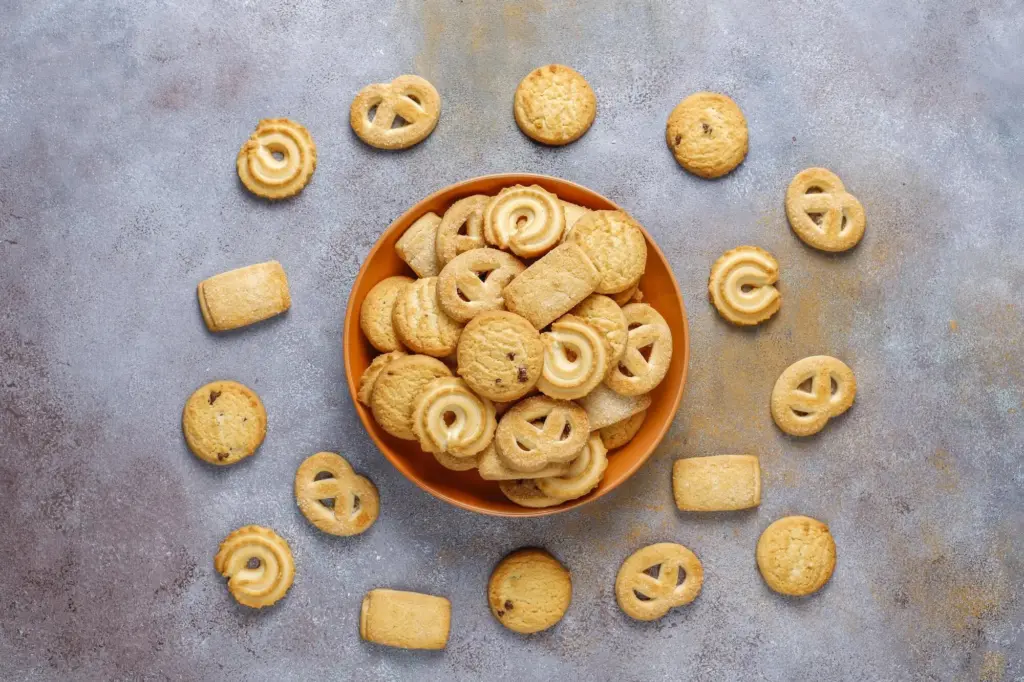
Stamped initials, wedding dates, and thistle motifs personalize each piece, while tartan ribbons or wax-sealed tags bridge clans, friends, and generations. Guests often photograph the bundle before tasting, creating an heirloom of images and crumbs. Bakers might infuse lemon for brightness or vanilla for warmth, turning each favor into a scented keepsake that lingers kindly after the last dance fades.
New Year Doorways: Hogmanay and First-Footing Gifts
When midnight strikes at Hogmanay, the first person to cross a threshold traditionally brings tokens of good fortune. Alongside coal for warmth, salt for substance, and whisky for cheer, shortbread represents welcome shared sweetly. Carried in tins through cold streets, it answers the doorbell with buttery reassurance, declaring that the coming year will be generous, neighborly, and deliciously well-supplied.
What the First-Footer Brings and Why
Coal promises heat through winter; whisky invites conviviality; salt suggests wages and worth; and shortbread completes the quartet with gentle comfort. Each item is practical enough to honor household needs yet symbolic enough to spark hope. The visitor’s presence and the biscuit’s sweetness together mark a vow: this home will meet hardship with fellowship, laughter, and something good to pass around.
Midnight to Dawn: Stories from Frosty Streets
Picture a neighbor’s scarf glittering with frost, a dented tin tucked under one arm, and the scent of butter escaping before the lid is lifted. Laughter fogs the glass, and slices travel from hand to hand. Someone pockets a spare wedge for morning tea, promising to text thanks. In that ordinary exchange, a whole year’s generosity rehearses itself confidently.
Recipes for Long Night Hospitality
For late-night visits, bakers favor sturdy rounds, pricked to bake evenly, cooled completely, and cut just before packing. Some dust with sugar like fresh snow. Others add citrus zest for bright midnight clarity. A warm oven briefly revives stashed wedges, while a strong kettle chases sleep. Thoughtful preparation makes lengthening conversations easy, proving that good hosting starts well before the knock.
Welcoming New Life: Christenings, Namings, and Baby Visits
In moments honoring arrivals and beginnings, shortbread’s calm sweetness suits delicate appetites and gentle gatherings. Shapes like stars, hearts, or tiny shoes charm guests without overwhelming the table. Soft flavors avoid harshness, while tins labeled for godparents or grandparents become keepsakes. Offering a small, buttery square alongside tea acknowledges profound change with tenderness, steadiness, and quietly nourishing joy.
Remembrance and Farewell: Quiet Rituals Around Loss
From Funeral Biscuits to Memorial Tables
Eighteenth- and nineteenth-century mourners sometimes received printed memorial cards paired with commemorative biscuits to carry home. That token bridged ceremony and ordinary life, accompanying grief into kitchens and pockets. Modern tables echo the gesture with unshowy plates of shortbread, welcoming visitors who may arrive unsure how to help. Offering a piece silently communicates presence, patience, and sustaining company.
Recipes That Speak Softly
For somber occasions, bakers often ease the sugar, keep flavors simple, and emphasize careful texture. A hint of caraway or orange can nod to old customs without overwhelming the room. Clean lines, unglazed tops, and thoughtful portioning signal respect. The biscuit asks nothing flashy from mourners, simply offering steadiness while memories unfold, tears settle, and love recounts its daily miracles.
Sharing Stories While Sharing Biscuits
Passing a plate can open conversation where words feel fragile. Guests recall treasured quirks, favorite walks, or remembered recipes. Listeners gather details like crumbs, piecing together a life worth celebrating. If you carry such traditions, consider sharing them in our comments or messages, helping others find rituals that comfort across households, beliefs, and the long, necessary work of remembering.
Burns Suppers and Poetry by Candlelight
After toasts to the Bard and the skirl of pipes, a simple plate of shortbread turns applause into taste. Some hosts grate nutmeg; others serve alongside cranachan or tea. Laughter softens every edge as verses linger. Guests leave with fingers sugared and hearts bright, convinced that language and butter make excellent partners for keeping courage and culture close.
Tents, Tartans, and Highland Games Picnics
Between caber tosses and piping competitions, families open tins like small treasure chests. Shortbread travels safely, looks festive without fuss, and suits all ages. Volunteers appreciate a snack that endures weather changes. A wedge eaten on damp grass can still taste like ceremony, reminding everyone that identity thrives not only on grand stages but also on picnic blankets and shared napkins.
Crafting Meaning Into Your Bake
You can shape significance with tools and choices: press a family seal, score equal wedges for fairness, or pair flavors with intention—rosemary for remembrance, lemon for beginnings, cocoa for milestones achieved. Thoughtful packaging, from handwritten labels to heirloom tins, adds another layer of care. Share photos, swap methods below, and help traditions grow by teaching what your hands have learned.
Molds, Stamps, and the Language of Imprints
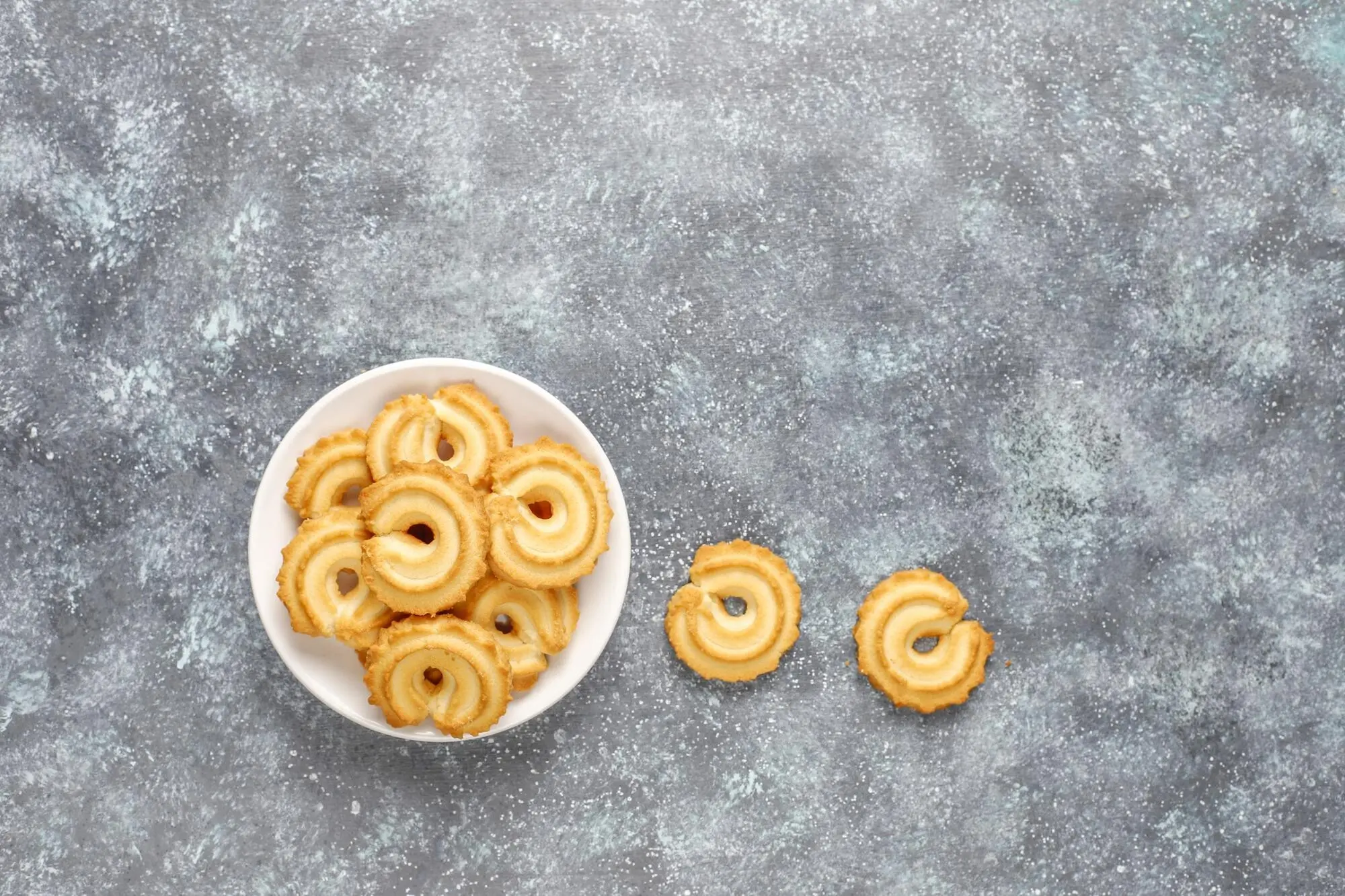
Traditional wooden molds, tart thistle stamps, or simple fork tines transform surfaces into messages. A crest marks lineage, while hearts promise steadfastness. You might emboss a date to honor a vow or a tiny star for a newborn. These impressions guide the eye and hand, connecting intention to texture so that meaning survives even after the last buttery crumb disappears.
Flavor Notes That Carry Meaning
Citrus brightens thresholds like New Year mornings; vanilla comforts tender gatherings; rosemary quietly honors remembrance; a brush of honey nods to harvest festivals. Keep additions restrained to preserve the signature crumb, letting symbolism speak without overpowering. Pair tea thoughtfully: smoky with tradition, floral with joy. Small choices become big signals when a biscuit must gently carry feeling into the room.
Presentation Rituals That Invite Participation
Set a large round on a board with a ribboned knife and invite the eldest guest to take the first cut. Pass napkins patterned with family colors. Add a small card explaining the shape or flavor’s meaning. Encourage guests to share memories, post photos, and swap recipes here, building a living archive where hospitality travels outward, sweet and durable as ever.
All Rights Reserved.