Butter, Routes, and Footprints Across Continents
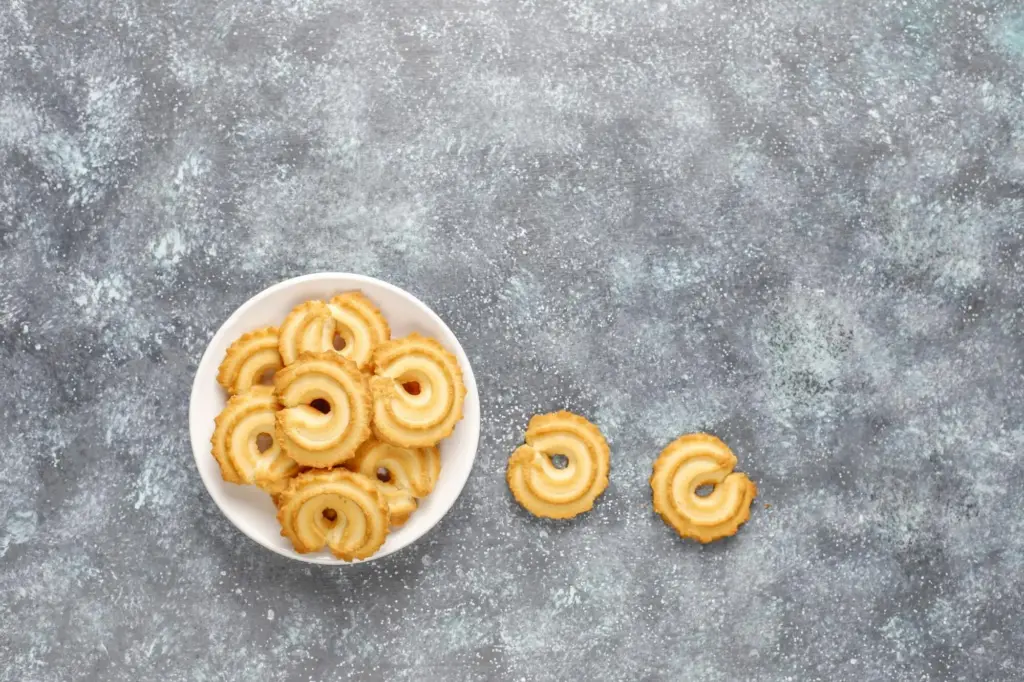
Today we follow historic trade routes and migration patterns that spread shortbread techniques, tracing how caravans, ships, and families carried a simple, buttery method across borders. From windswept Scottish coasts to bustling Indian bazaars and Manila markets, ingredients, tools, and rituals traveled together. We will connect merchants, settlers, soldiers, bakers, and home kitchens, revealing how flour, sugar, and butter met local traditions, shaped festive tables, and created crumbly bridges between distant ports, new homelands, and enduring memories.

Caravans, Ports, and the Flavor of Empire

Before a biscuit ever snapped between forefingers in celebration, spices, sugars, and grains crisscrossed continents along river barges, desert caravans, and daring ocean crossings. Markets in Bruges, Leith, Lübeck, and Lisbon heard haggles that determined sweetness itself. Butter from coastal dairies, fine wheaten flours from prosperous plains, and delicate aromatics from eastern gardens converged in European bakehouses, inspiring buttery doughs that could be pressed, pricked, and preserved. Trade made ingredients abundant or scarce, and scarcity sculpted technique with patience, ingenuity, and carefully guarded ratios.

Silk Road Echoes in a Crumbly Bite

Though shortbread’s birthplace sits far from Samarkand, the Silk Road shaped European palates that later welcomed delicate biscuits. Citrus peels, rosewater, and caraway traveled in small, precious measures, whispering fragrance into otherwise austere doughs. As port warehouses stockpiled goods, enterprising bakers experimented, discovering how even a single spoon of aromatic sugar could shift texture and perceived richness. In grand houses and humble inns alike, these luxury hints signaled connection to far-off caravans and the prestige of taste that moved faster than borders.

Hanseatic Barges and Baltic Butter

The Hanseatic League did not trade recipes, yet its sails and ledgers changed northern kitchens. Salted butter, steady and shipworthy, could ride from dairy heartlands to coastal towns, supporting doughs that demanded fat’s constancy. Flour grades standardized through merchant quality controls, empowering bakers to reproduce delicate crumbs in unfamiliar ovens. Ports like Hamburg and Danzig served as culinary tuning forks, where millers, coopers, and bakers aligned texture expectations. With every shipment, consistency spread, and a distinctive crumb, rich yet tender, found reliable footing along cold, briny docks.
Cape Breton Hearths
In Cape Breton, winter winds hum like Hebridean songs, and a pressed round cooling on a sill could summon Gaelic vowels from quiet rooms. Settlers marked edges with fork tines resembling familiar thistle borders, then sliced into petticoat tails for neighbors. When butter ran dear, they stretched patience, not quality, baking less often but sharing wider. Stories say a widow kept her wooden mold wrapped in linen through the crossing, unwrapping it each Hogmanay, letting its carved rosette stamp certainty into a constantly reshaped shore.

Dunedin Bakehouses

Gold Rush Otago filled with hopeful noise and itinerant tastes. Scottish bakers, apprenticed on cobbled lanes, set up counters beneath corrugated roofs, trading warmth for coin and conversation. They learn the temper of colonial ovens, fierce in corners, fickle in gusts, and adjust thickness for even bake. Fresh butter from green hills turned sturdy dough luminous, as university students carried paper-wrapped wedges to examinations for courage. A single bite closed the distance between southern stars and northern aspirations, fusing geology, ambition, and buttery heritage.

Colonial Contacts and Local Twists

Techniques do not travel alone; they collide, handshake, argue, and settle into new grammar. Across imperial networks and mercantile crossroads, buttery dough met chickpea flour, ghee, palm sugar, and almond meal, negotiating textures and identities. Some biscuits kept the classic one-two-three ratio, while others courted local fats or added brittle nuts for heat-proof resilience. What results is not a betrayal but a cartography of taste, where each port leaves a mark on the crumb. Let us read those marks aloud, with gratitude and curiosity.

Techniques on the Move

Behind every heirloom tin lies a method that proved portable. Bakers translated hearth embers into iron ranges, adjusted rubbing-in times for hotter kitchens, and swapped wooden boards for marble slabs when butter threatened to melt. Ratios lifted from memory adapted to local flours, some thirstier, some silkier, demanding calmer hands or extra rest. Stamps and thistle molds traveled as lightweight heirlooms, while fork-tine patterns improvised borders wherever tools ran scarce. Technique became a dialect, consistent enough for recognition, flexible enough for weather, wages, and weekend gatherings.

Merchants, Monasteries, and Markets

Feast tables do not materialize from air; they are built by guilds, friaries, millers, tallow chandlers, and stall keepers, each adding a step that carries dough toward celebration. Monasteries baked for saints’ days, codifying patience and quiet working, while urban markets offered new spices and competition. Recipe manuscripts traveled in saddlebags, then in newspapers and philanthropic cookbooks that stitched lessons across regions. Through fairs and charity fetes, buttery rounds funded warming fires and schoolbooks. Commerce and compassion braided together, as a humble biscuit underwrote communal joy.

Guild Secrets and Open Streets

Baking guilds guarded methods, yet market stalls served as lecture halls where hands taught skills in daylight. Apprentices learned the rub-in by feel, counting breaths rather than seconds. Sailors carried those instincts ashore, translating measurements into gestures. Even when recipes were scarce, consistency survived through muscle memory and communal correction. The street insisted on repeatable pleasure. A coin buys sweetness, but also trust that today’s wedge tastes like last week’s. That reliability, scaled by commerce, helped fragile techniques endure winds, wars, and wandering households.

Feast Days, Wakes, and Winter Gifts

Short, rich biscuits punctuated calendars across northwestern Europe, appearing at hogmanay doors, baptisms, and farewell vigils. Guests exchanged parcels wrapped in cloth, blessing futures with buttered certainty. Migrants carried those rituals along shipping lanes, installing familiar sweetness into foreign holidays. Over time, neighbors adopted the custom, adapting shapes and spices to local lore. In that exchange, loss and welcome shared a plate. A remembered crumb steadied shaking hands, and a carefully scored round turned counting into comfort, each slice a small, reliable sunrise.

Printed Recipes as Portable Traders

Cookbooks operated like merchants, converting grandmother’s eyes-only measures into lines that crossed borders. Newspapers serialized household columns, while community fundraisers compiled treasured methods beside hymns and bake-sale ledgers. Reprinting spread ratios faster than clipper ships, and marginalia recorded climate fixes and oven quirks. Immigrants packed pamphlets with thistle-badged covers, then penciled new butter brands in the margins. In kitchens far from cobblestones, print steadied the hand, ensuring a familiar snap survived strange smoke and season. Ink, it turns out, can taste like home.
Your Grandmother’s Tin, Our Shared Map
Open the cupboard and you may find a dented tin that once crossed mountains or seas. Inside, recipes cling to parchment corners, spattered with butter memories. Photograph those pages, share their routes with us, and we will annotate them with historical waypoints. Tell us who taught you to press the edge, what holiday the first wedge blessed, and which ship or train carried that certainty onward. Your story completes the cartography, revealing how a quiet cookie became a guidepost for courage and kinship.

Bake-Along: A Traveling Dough

Join our monthly bake-along as we test ancestral ratios beside global cousins. We will compare Highland rounds, Bombay nankhatai, and Manila polvorón, tracking texture choices, climate adaptations, and tool improvisations. Share photos, mishaps, and triumphs in the comments, then vote on the next route we chart. Subscribing ensures you receive shopping lists, annotated timelines, and audio notes from historians and home bakers alike. Together, mixing bowls become passports, and every cooling rack reads like a customs stamp declaring sweet arrivals and generous departures.
Daxikavikarotaridari
Privacy Overview

This website uses cookies so that we can provide you with the best user experience possible. Cookie information is stored in your browser and performs functions such as recognising you when you return to our website and helping our team to understand which sections of the website you find most interesting and useful.