From Butter to Ghee to Lard: A Shortbread Journey
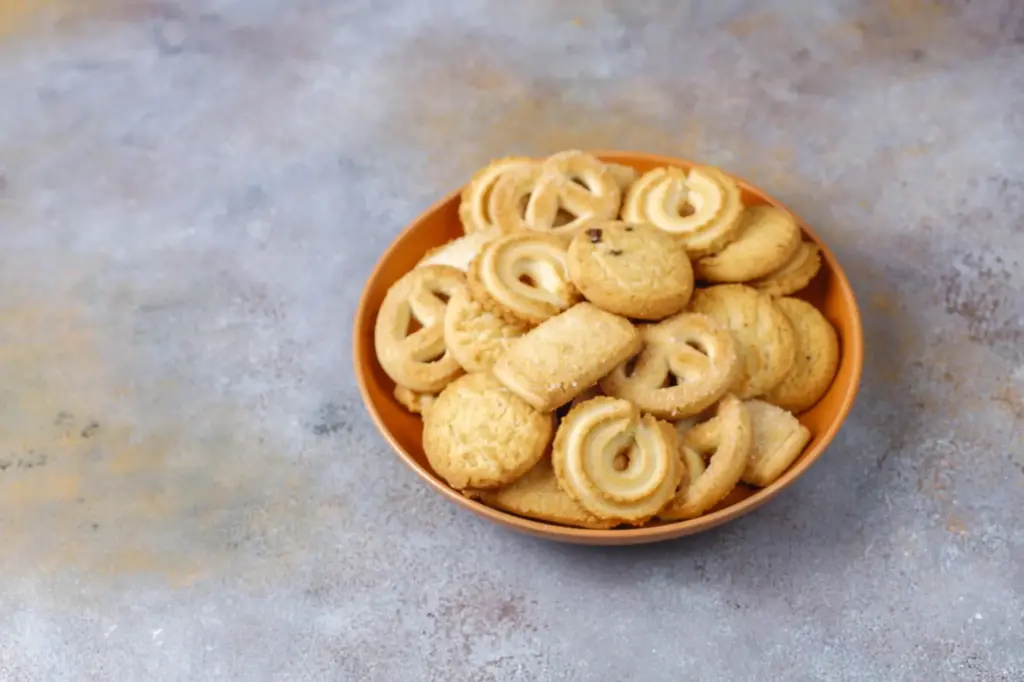
We are exploring traditional fats and flours in shortbread, comparing butter, ghee, and lard across regions to understand how each transforms texture, aroma, and crumb. From Scottish tins rich with salted butter to Indian bakeries shaping nankhatai with fragrant ghee, and New Mexican kitchens relying on lard for delicate snap, we will test ratios, sift flours, and share stories, inviting you to bake, taste, and tell us what melts your heart.

Butter’s Quiet Power in Crumb and Aroma

Butter brings water, milk solids, and enduring dairy notes that shape shortbread’s personality as much as its tenderness. Salted blocks whisper of Breton coasts, while unsalted offers control for delicate vanilla or citrus. Temperature discipline, minimal mixing, and a patient rest let butter’s structure craft confident edges and a melting, sandy interior.

Clarification, Aroma, and Heat

Slow simmering drives off water and browns milk solids before straining, concentrating buttery diacetyl into nutty lactones. The high smoke point keeps flavors clean, even in tiny molds. Because ghee lacks water, dough hydrates only from eggs or yogurt additions, or simply rests longer to relax dry flours gently.

Nankhatai Through Lanes and Festivals
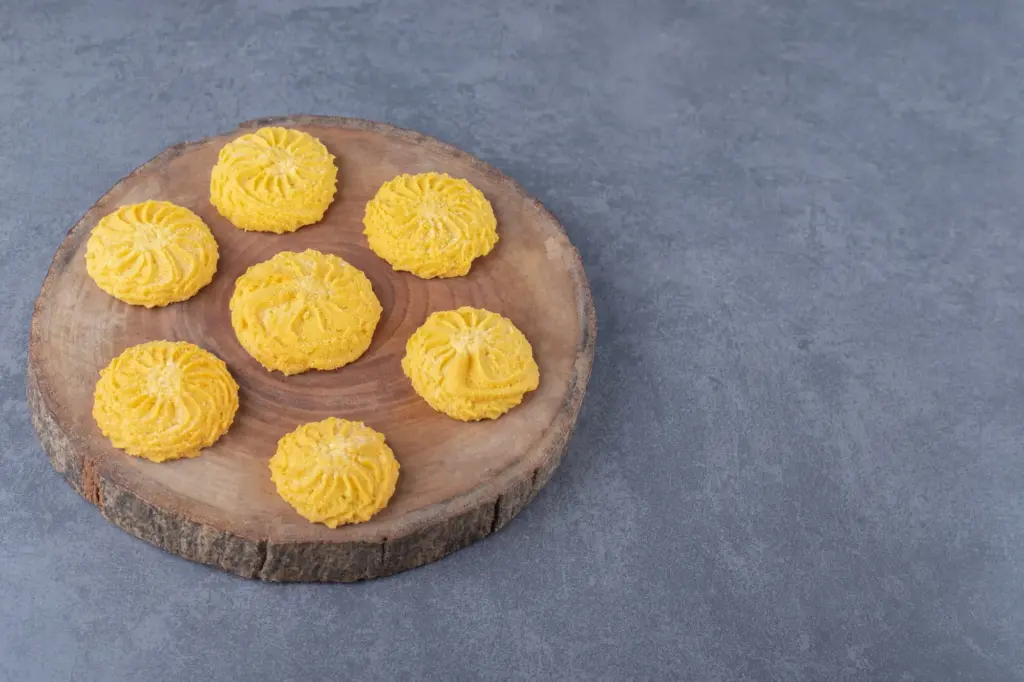
Nankhatai wears many outfits: besan for nutty body, rava for crumbly crunch, atta for rustic chew, sometimes a kiss of cardamom or saffron. Bakers press crosshatches or almond halves, then bake until pale gold. The first bite sighs into sweetness, leaving warmth that begs for another cup of chai.

Goan, Parsi, and Punjabi Inflections

Portuguese-tinged Goa leans buttery-ghee richness and cashew meal, Parsi kitchens prize balance and gentle rose, while Punjabi counters often spotlight besan’s roasted perfume. Each variation adjusts sugar crystal size, resting time, and baking hue to keep crumbling tender, aromatic, and sturdy enough to gift without heartbreak.

Lard’s Flaky Secret and Regional Reverence
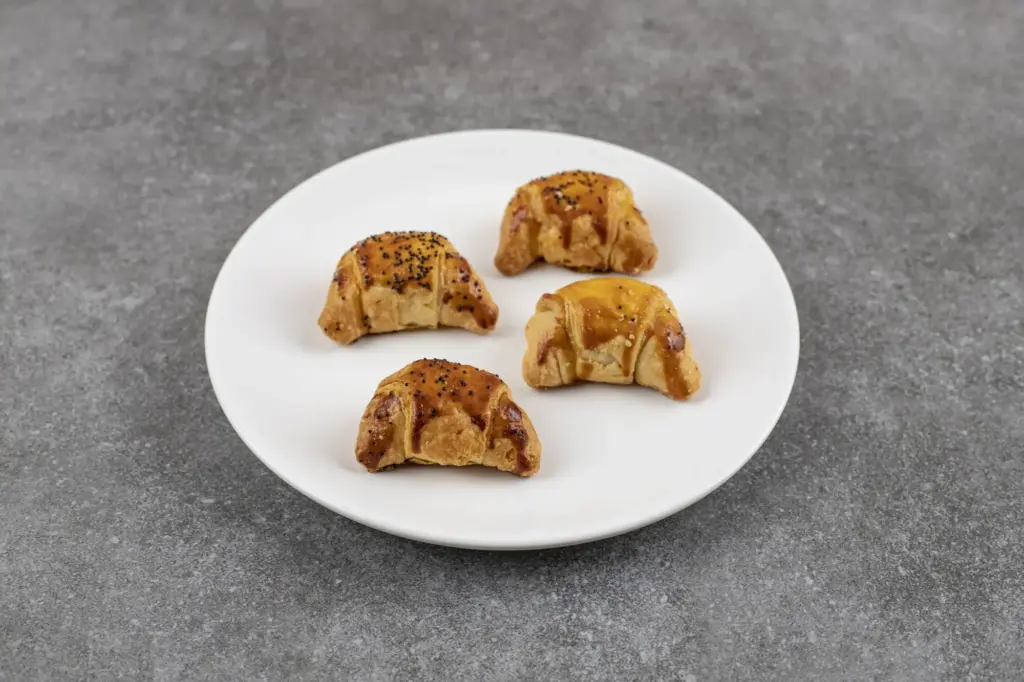
Properly sourced lard brings clean savor, remarkable plasticity, and a dryness that powers crispness without greasiness. In dough, it interrupts gluten and stacks delicate layers, giving cookies feathery bite. From Old World polvorones to New Mexico’s official cookie, communities celebrate how this humble fat carries spice, memory, and hospitality.

Flour Shapes the Bite: Wheat, Rice, Besan, and More
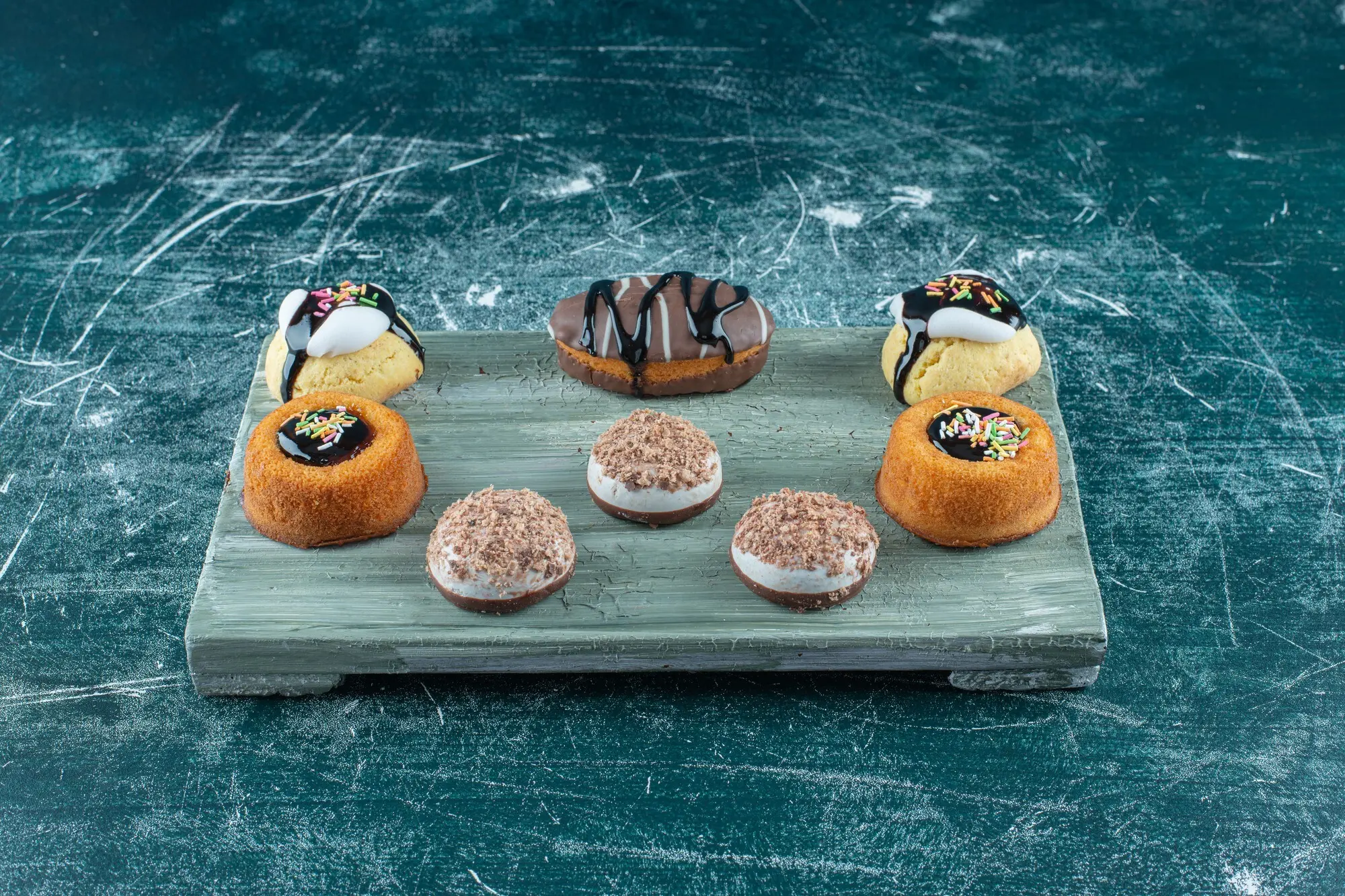
Flour is not a silent partner; its protein, grind, and starch composition decide snap, melt, and chew. Pastry flour tenderizes, all-purpose balances structure, rice flour lightens with sandy crispness, besan adds roasted depth. Sifting, resting, and gentle hydration ensure every grain plays kindly with chosen fat.

Protein and Gluten, Kindly Managed

Lower-protein pastry flour resists toughness, while all-purpose benefits from cornstarch or rice flour to mute gluten. Minimal mixing protects shortness; rubbing coats granules with fat before water meets proteins. Resting allows flour to hydrate invisibly, transforming cracks into clean edges and preventing hollow domes or jagged sides.

Regional Pairings That Sing

Scottish cooks often slip a spoon of rice or oat flour for delicate snap, while Punjabi nankhatai leans on besan and rava for sandy crumble. New Mexican and Spanish traditions stay with wheat yet fold in anise, citrus zest, and wine, balancing structure with playful aromatics and lingering perfume.

Freshness, Sift, and Storage

Whole-grain or legume flours carry natural oils that stale quickly; keep them cool and airtight. Sifting aerates, blends starches, and disperses salt and spices evenly. Before mixing, warm flours slightly above room temperature to prevent clumping when fats are cool, preserving precise crumb and consistent bite.

Technique: Mixing, Resting, and Baking for Tender Crumbs
Rubbing Versus Creaming

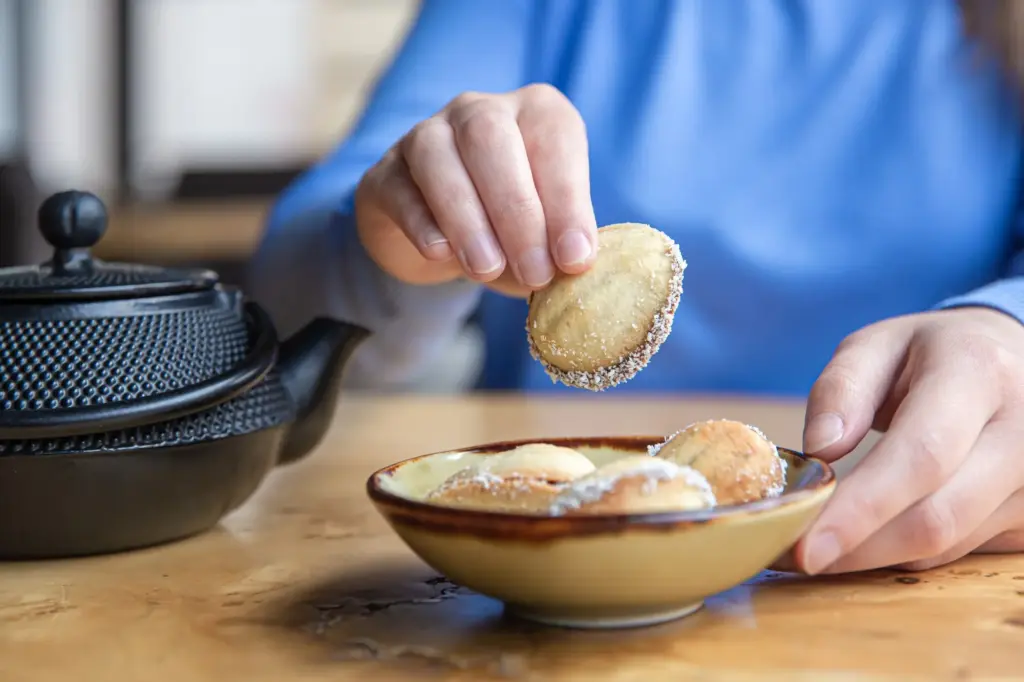
Rubbing coats flour thoroughly, maximizing shortness and a sandy crumble, perfect with ghee or lard. Creaming builds micro-bubbles with sugar, helpful when butter is the star. Choose based on desired lift, then stop early; overmixing warms fat, collapses structure, and triggers spread that steals definition.

Chill, Shape, and Dock

Rubbing coats flour thoroughly, maximizing shortness and a sandy crumble, perfect with ghee or lard. Creaming builds micro-bubbles with sugar, helpful when butter is the star. Choose based on desired lift, then stop early; overmixing warms fat, collapses structure, and triggers spread that steals definition.

Heat, Pans, and Finishing

Rubbing coats flour thoroughly, maximizing shortness and a sandy crumble, perfect with ghee or lard. Creaming builds micro-bubbles with sugar, helpful when butter is the star. Choose based on desired lift, then stop early; overmixing warms fat, collapses structure, and triggers spread that steals definition.

Science Corner: Melt, Crystallization, and Aroma Release

Behind every delicate wedge stands fat polymorphism, water activity, and flavor volatility. Butter’s water flashes into micro-steam that lifts and chisels texture, ghee’s purity shortens swiftly, and lard’s crystalline network crisps cleanly. Understanding these interactions turns intuition into repeatable magic across seasons, kitchens, and oven moods.

01

Melting Ranges and Crystal Forms

Butter’s mixed triglycerides melt across a wide range, while ghee and lard, mostly waterless, transition cleanly. Aim for beta-prime crystals, encouraged by cool rest and minimal agitation, to forge fine, tender crumb. Warm too fast, and edges blur; cool smartly, and every cut line glitters.

02

Water Activity, Snap, and Shelf Life

Small shifts in moisture decide whether cookies shatter or slump. Butter’s water can stale or soften unless sugar and starch balance it; rice flour and cornstarch help. Airtight tins stabilize water activity, letting aromas marry overnight, deepening butter’s dairy notes or rounding spice in lard-rich batches.

03

Flavor Carriers and Volatiles

Fat ferries aroma molecules to taste buds; diacetyl shouts butteriness, lactones hum in ghee, and lard gently lifts spice oils like anise or citrus. Bloom spices in a spoon of warm fat, then cool before mixing, capturing brightness that otherwise evaporates long before the first bite.

Tasting Tour and Home Trials
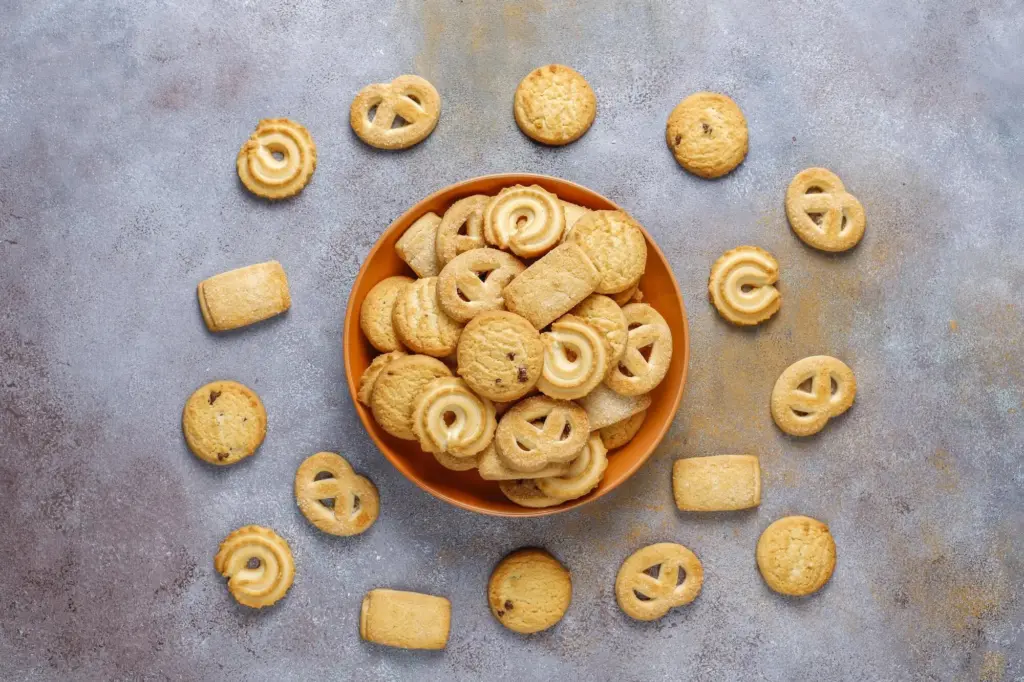
Let’s bake side by side, noting crumb, snap, and scent as we travel from one fat and flour pairing to another. Share observations, tweak salts, swap flours, and document every tray. We will collect favorite ratios and publish community charts that guide future experiments with confidence.
Daxikavikarotaridari
Privacy Overview

This website uses cookies so that we can provide you with the best user experience possible. Cookie information is stored in your browser and performs functions such as recognising you when you return to our website and helping our team to understand which sections of the website you find most interesting and useful.